Summary
So, your homebrew campaign is longer than you anticipated, and your friends no longer have the same free time they did when you all started. Or maybe your players are just not that interested in a particular segment of the story, and it’s best to cut it out.
Regardless of your situation, sometimes Dungeon Masters won’t be able to run extremely long stories in theirDungeons & Dragonsgame, and sacrifices must be made. Sure, you may just cut content, which we’ll address, but there are other fixes, not to mention possible consequences for cutting chunks of your story. So, what should you do in this situation?

6Cutting Content
The Best Way To Shorten A Story
When in Barovia, do your players really need to go to the vineyard? The easiest way to shorten your campaign is to remove content, which is likely something you already have in mind. In a pre-made campaign, this content can be any side quest the game offers, such as our vineyard example inCurse of Strahdor Thundertree in Lost Mine of Phandelver.
If you’re running a homebrew, then it’s up to you to analyze what’s removable and what isn’t. All that said, you don’t need to remove everything if you think the mission is fun or necessary; perhaps you can run the Thundertree area with only the dragon at the end and no other encounters. You can remove certain enemies, areas, traps, or allies that may be on the mission just to have fewer things to work with, thus making the segment go faster than it normally would.

As an extra tip here, random encounters are great candidates to be removed from the campaign if time is a problem. You can have calm travels on the road rather than these encounters unless they’re relevant to the overall story.
5Relocating Content
When The Main Story Is The Issue
What if the extremely long segment is part of the main story itself? Though you may still cut parts of it, as we mentioned before, what should you do if there are big consequences in the future? You can’t just remove the NPC ally whose only reason to be here is to lead the party to where they need to go. The story will stall without them.
However, if the mission that leads the party to this character is a bit too much, don’t be afraid to change the character’s location to accommodate things. Encounters that were missed can simply be used somewhere else. Why not meet this character in a tavern because another ally told the group about them and recommended the NPC? Unless it breaks coherency, these characters can be wherever they want you to be, and big story events can happen wherever and whenever you want them to.

4Fusing Content
Turn Multiple Quests Into One
Another example of relocating assets - though a bit more extreme - is to simplify things by putting them together. Rather than going to Thundertree to deal with the dragon, he can appear at the entrance of the lost mine, and you can have his situation solved while the group is still going for the main mission.
You can have evil characters from yourPCs' backstoriesbe allies - or even the same person if possible - thus solving multiple plot points with their fight. You can also mix the PCs' personal endeavors with the main story itself, which can be a bit challenging and demand some extra thought, but it’ll make things a lot quicker rather than giving them side quests to solve their personal issues. Plus, your players will probably like to see their personal backstories used in the main quest.

3Level Them Up More Often
To Make Up For Fewer Missions
Cutting content, especially in a pre-made adventure, means cutting the experience your players should be getting for events to come. That comes with a big cost, as they will level up slower than the adventure expects them to, and that can lead to Total Party Kills.
You can solve that by adopting the milestone method and leveling them up when they reach certain points of the plot or accomplish specific tasks throughout the campaign. That will save them from being level three against a boss designed for level five characters, for instance.
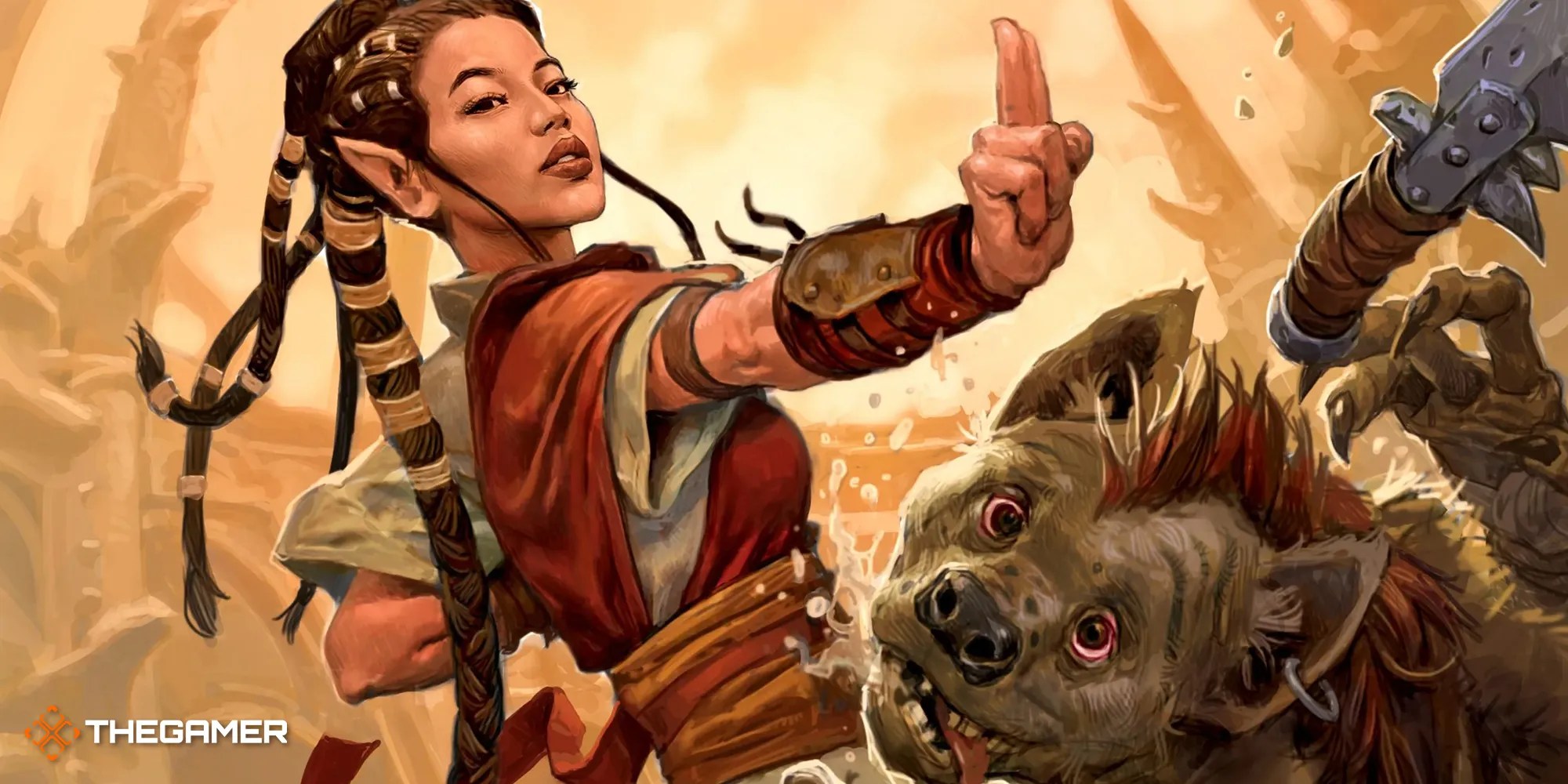
You can also simply be more generous with the amount of experience you give your party each encounter they face. Just be careful not to go too overboard with the experience and accidentally have their level higher than it should be
2Turn The Difficulty Down
The Easier The Fight, The Faster It Goes
Combat encounters are often what make your games last a long time, for better or worse. A simple, less-than-one-minute fight in-game can last a couple of real-life hours, especially if the enemy itself is complicated to deal with regarding raw power and strategy. It doesn’t help if each player takes a long time on their turns, either.
You can just turn the difficulty down, making theseadaptations on the fly.If you’re running out of time and the boss still has 20 hit points left, you can just let whoever hits them next take the kill and be done with it. Analyze how the situation is going and adapt accordingly.

While you can talk to them to think ahead about what they want to do and shorten things a bit, easier fights with simpler enemies will make the fighting a lot more straightforward and solve issues. You shouldn’t tone down epic bosses from the campaign, of course, but not every minion needs to be a powerhouse.
1Bonus: Consider When To Apply These Tips Carefully
Cutting Too Much Can Make The Game Boring
Though all the tips here are effective ways to shorten your sessions and even the overall campaign, there is one important detail to consider: Most of these things are what make your games unique. A complex boss encounter where the players need to figure out how to hurt the enemy is usually more interesting than a damage-sponge of a boss. Side quests can break the tension from the main campaign and let the players relax a bit. Random encounters can cause fun situations, and so on.
If time isn’t on your side, we recommend doing some of these things on occasion, but simply removing most content for a bare-bones experience can compromise your whole campaign. Thus, it’s important to be sure whether you should cut whatever you’re considering cutting or if it’s worth letting the game run a bit longer. you may always ask for feedback from your players, too.
